Surface Preparation
The team checks the underlying sheathing and framing for damage and handles repairs before a single new panel goes up.


Professional siding installation protects your home from weather damage while cutting energy costs and extending the life of your exterior. When done right, it creates a weathertight barrier that keeps moisture out and indoor temperatures stable. Peak To Peak Roofing & Exteriors, LLC handles the full process so your siding performs as it should for years to come.
Certified, Accredited, And Reviewed






Colorado punishes siding in three specific ways: hail, intense UV at altitude, and big daily temperature swings. That narrows the list of materials that hold up.
| Material | What it is made of | Hail behavior | Maintenance | Typical service life |
|---|---|---|---|---|
| Fiber cement | Cement, sand and cellulose fiber. | Very hard surface. Large hail can chip or crack a board rather than dent it. | Repaint on the manufacturer cycle. Keep caulk joints sound. | Manufacturers commonly publish 30 year or longer limited warranties. |
| Engineered wood | Wood strands bonded with resin and treated, then coated. | More forgiving on impact than fiber cement. Damage tends to be localized. | Repaint and keep cut edges sealed. | Commonly backed by a limited warranty in the 30 to 50 year range. |
| Steel | Coated formed steel panels. | Will not crack, but will dent visibly from large hail. | Very low. Rinse and inspect coating. | Long service life. Coating warranties are typically decades. |
| Vinyl | Extruded PVC panels. | Most vulnerable of the group. Becomes brittle in cold and can crack or hole under hail. | Lowest cost to maintain, but damaged panels need replacement. | Manufacturers commonly publish warranties in the 20 to 40 year range. |
| Stucco | Cement plaster over lath. | Hail can pit or crack the surface. Cracking also comes from movement. | Periodic crack repair and repaint or refinish. | Very long life when the water management behind it is correct. |
Service life figures reflect published manufacturer limited warranty ranges, which are not the same as guaranteed lifespan and are subject to product specific terms, proration and installation requirements. Hail performance depends on stone size, wind speed and impact angle. Behind any cladding, a properly detailed weather resistive barrier and flashing per International Residential Code chapter 7 matters more to longevity than the material choice itself.
Picking the right siding material changes how well your home handles weather and keeps its appearance over time. Vinyl, fiber cement, wood, and metal each bring different strengths in durability, upkeep, and energy efficiency. What catches most homeowners off guard is that the material you choose affects long-term costs far more than what you pay upfront for installation.
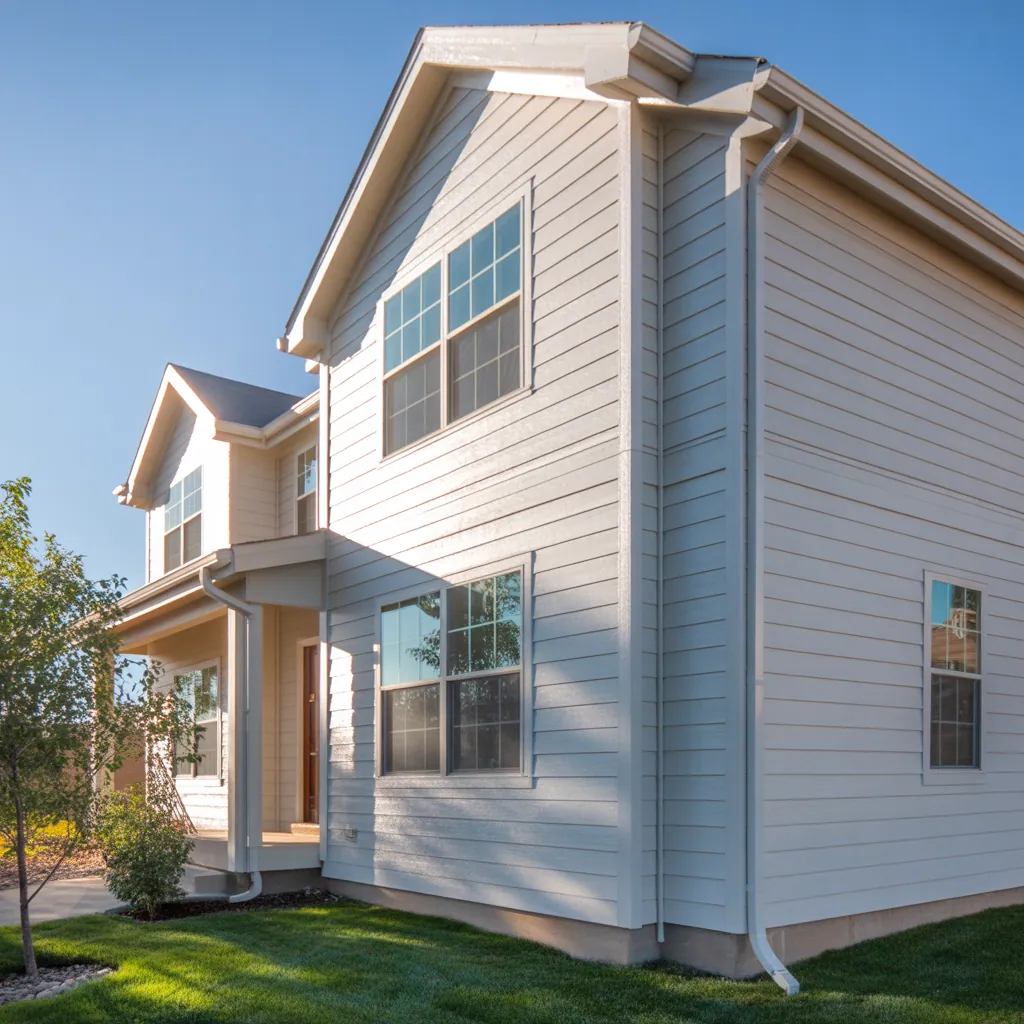
Local siding contractors get to your home faster and know exactly how weather in your area affects materials. When you call, you are talking to the people who actually make decisions, not a call center three states away.
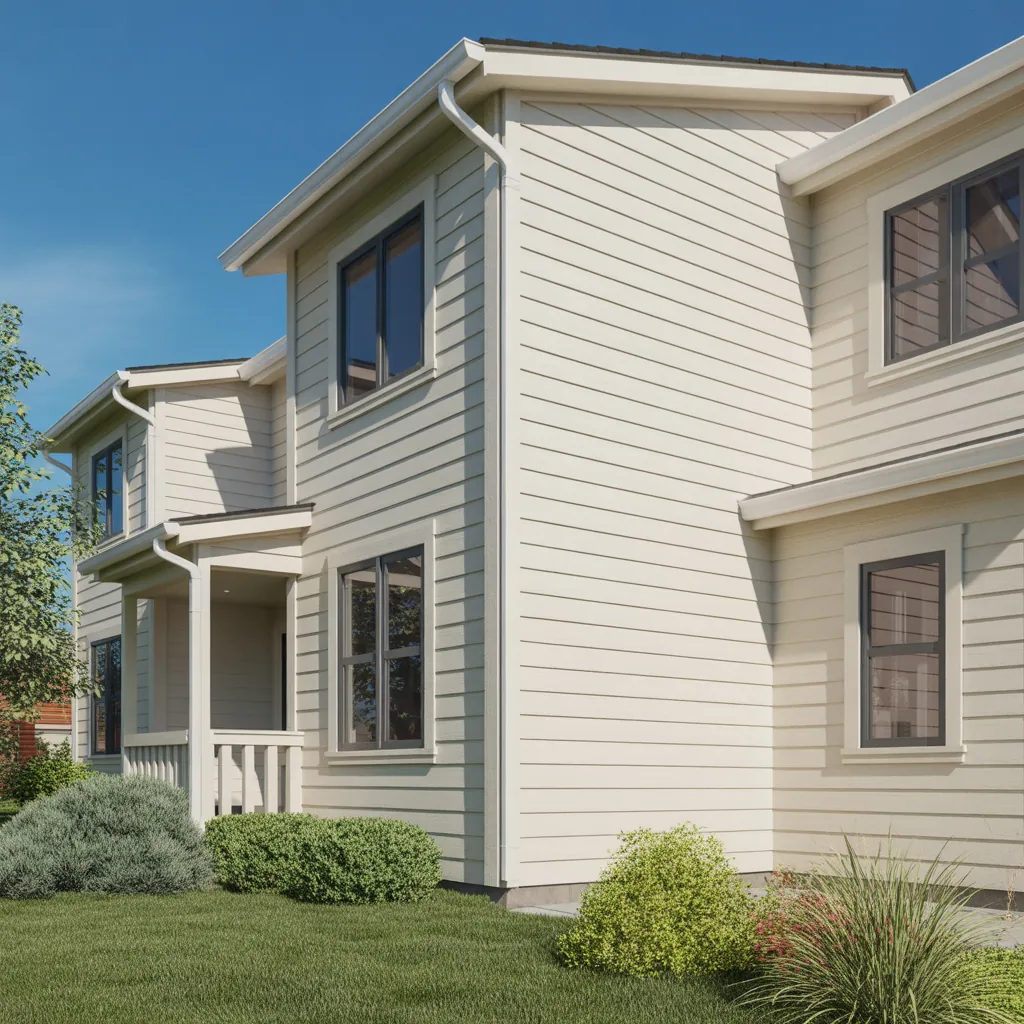
Professional siding installation follows precise steps that determine how well your exterior holds up over time. The prep work often matters more than the siding material itself. Proper methods prevent the common failures that show up years later, like moisture intrusion behind panels, warping from improper fastening, or premature paint failure on fiber cement.
The team checks the underlying sheathing and framing for damage and handles repairs before a single new panel goes up.
Waterproofing layers and a drainage plane go on before siding installation begins, so the wall assembly can shed and dry.
Correct nail spacing and depth keep panels flat and prevent the buckling and warping that show up in the first hot summer.
Window, door, and penetration flashing is lapped in sequence with the weather barrier so water is directed out of the wall rather than behind it.
A drainage plane and air gap between siding and sheathing let moisture escape, preventing rot, mold, and premature material failure.
Every step gets documented with photos you keep, so you can verify what happened behind the finished surface.
Hail, wind, and ice crack or loosen siding panels without much warning. A lot of homeowners miss the small punctures that let moisture creep behind the surface, where it starts rotting the wood or sheathing you cannot see.
Structural Soundness: Wall framing, sheathing integrity, and load-bearing capacity are confirmed before new material is added.
Moisture and Water Damage: Existing siding, trim, and underlying materials are examined for rot, mold, or infiltration that must be remedied first.
Ventilation and Insulation Gaps: Airflow patterns are assessed to find trapped moisture and areas where insulation improvements pay off.
Window and Door Flashing: Existing flashing is evaluated to determine whether replacement is needed to prevent water intrusion behind new siding.
Storm damage does not always mean you need to replace everything. The key is matching what is already there, getting the color right and the texture consistent, so repairs blend in rather than stand out. Targeted fixes address the actual damage while keeping costs reasonable.
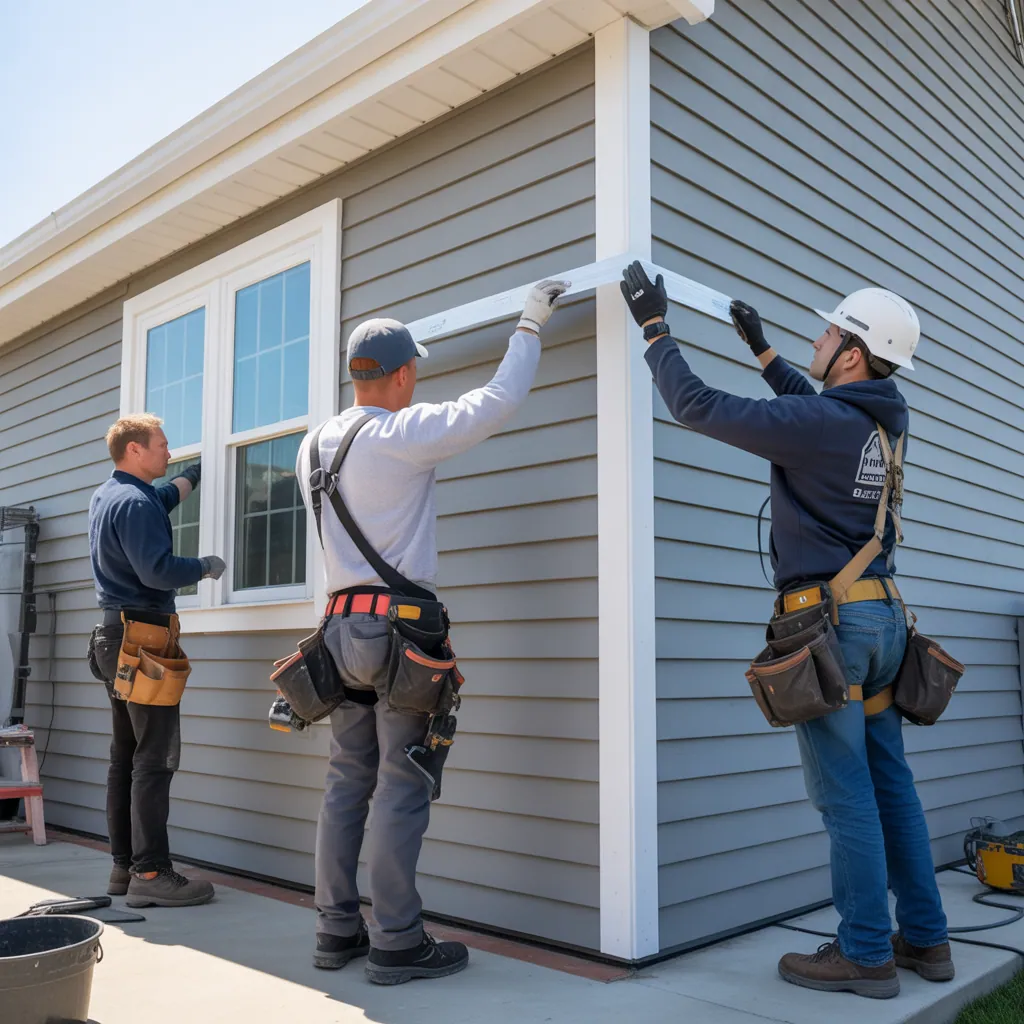
Siding installation involves removing old materials, cutting new panels, and working at height around your entire home. Without proper precautions, that work can damage landscaping, windows, outdoor fixtures, and even interior spaces.
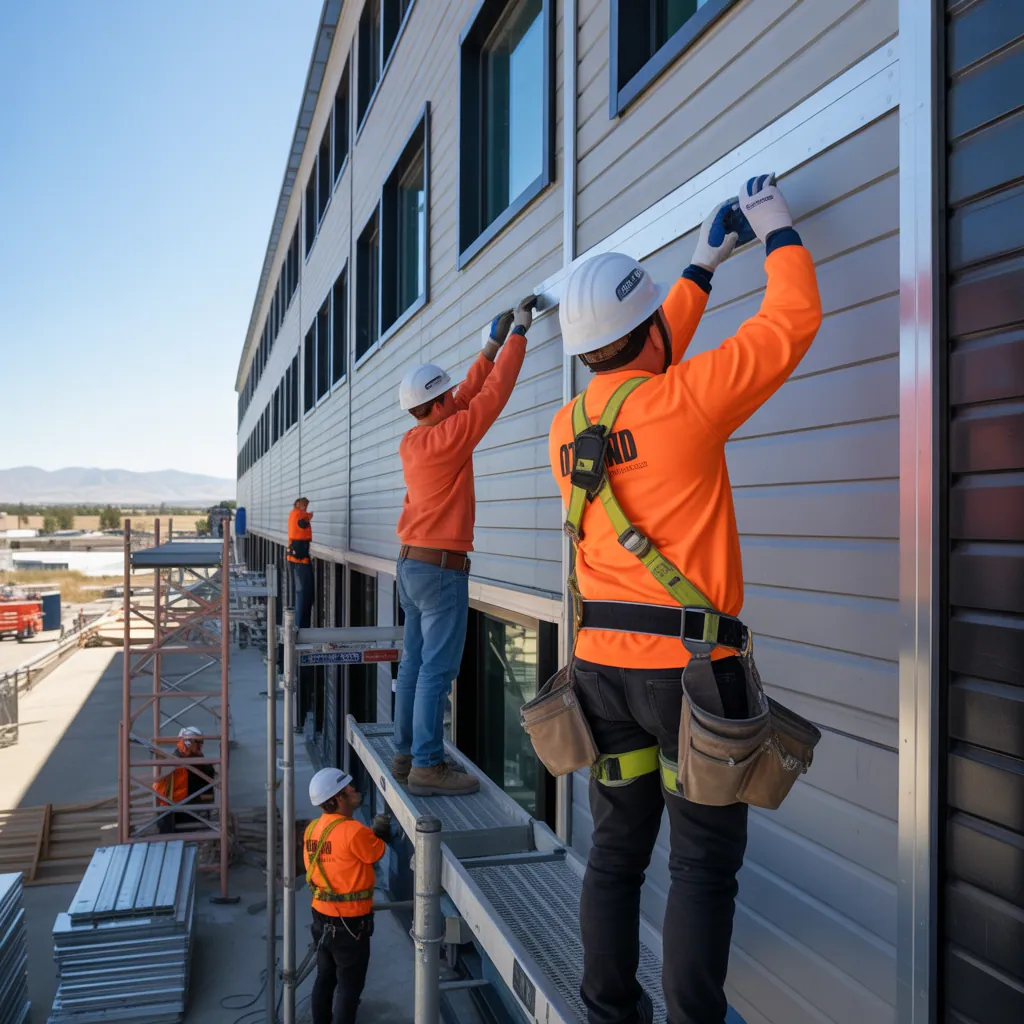
Siding work reaches homes across the Front Range corridor, from Castle Rock and Monument in the south up through Fort Collins and Loveland to the north, plus Aurora and the surrounding metro areas to the east.
Peak To Peak Roofing & Exteriors, LLC handles siding work throughout the Front Range. Homeowners across the Colorado corridor can access the same crews, standards, and warranty coverage for exterior projects.
Fiber cement, LP SmartSide, and steel siding installed with proper flashing and house wrap, so the wall assembly stays dry behind the finish.




4.9/5 from happy homeowners
● Siding Consults Available This Week
Material options, colors, and trim details priced at your home.
"Peak to Peak was great, they helped me with a repair on my roof. Helped me to extend the life of my roof."
- Luke Howard
Free inspection, same day answers